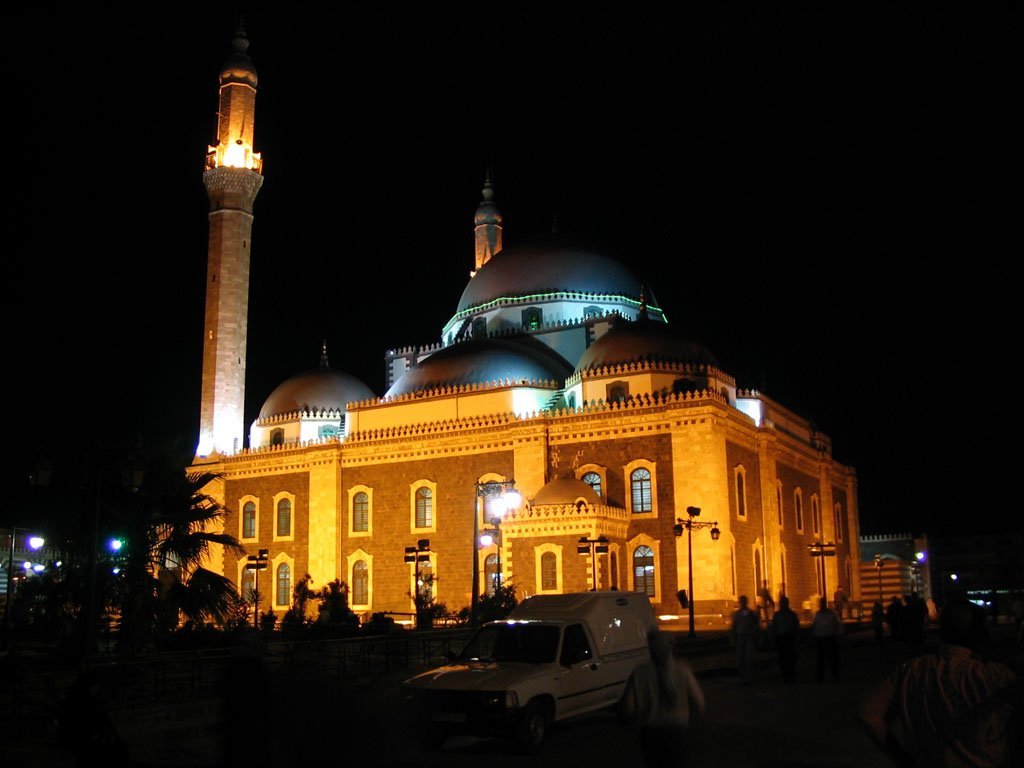
مشاهد ترميم في عام 2025 بعد التحرير
مشاهد للقصف الذي تعرض له عام 2013 من قبل قوات النظام البائد
صور قديمة للمسجد Old pictures of the mosque
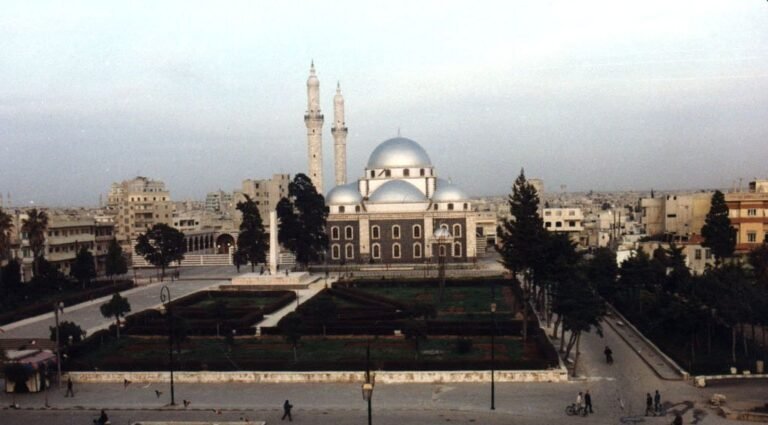
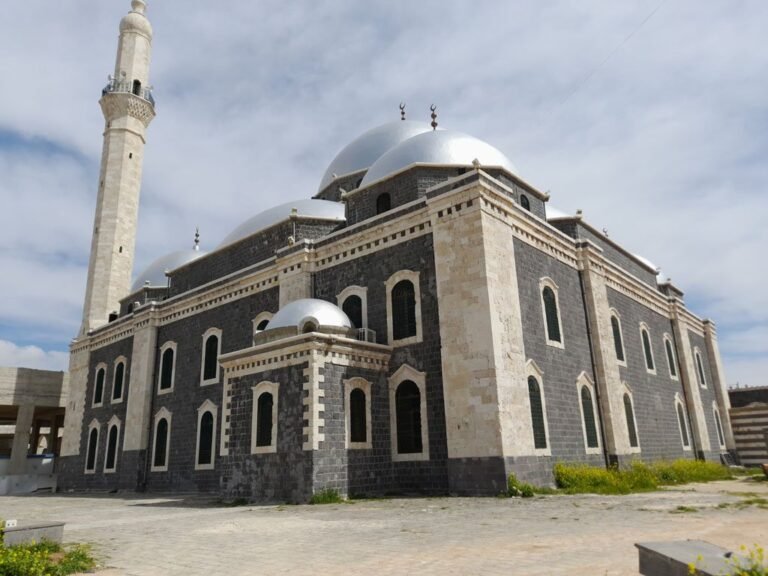
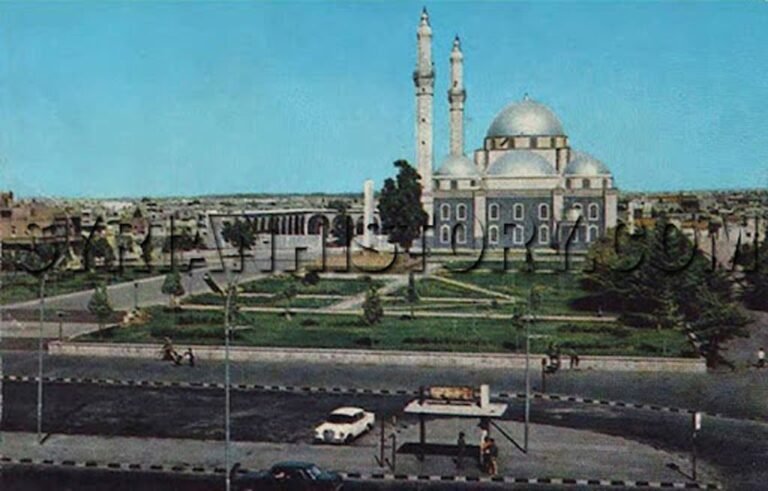
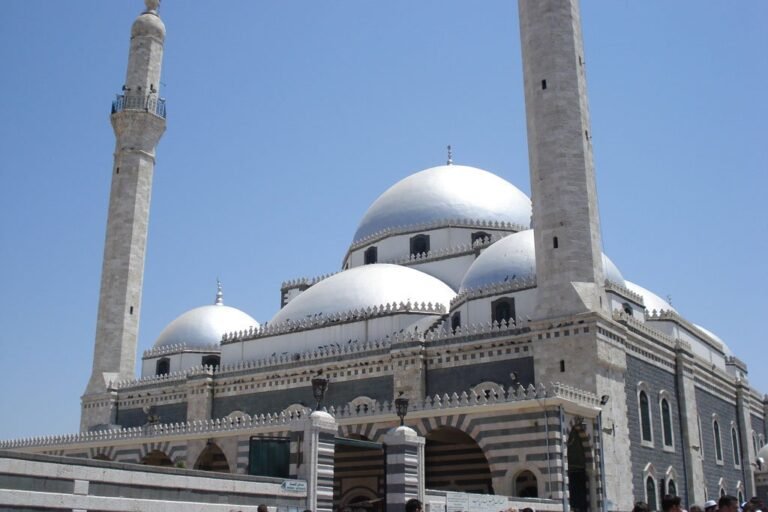
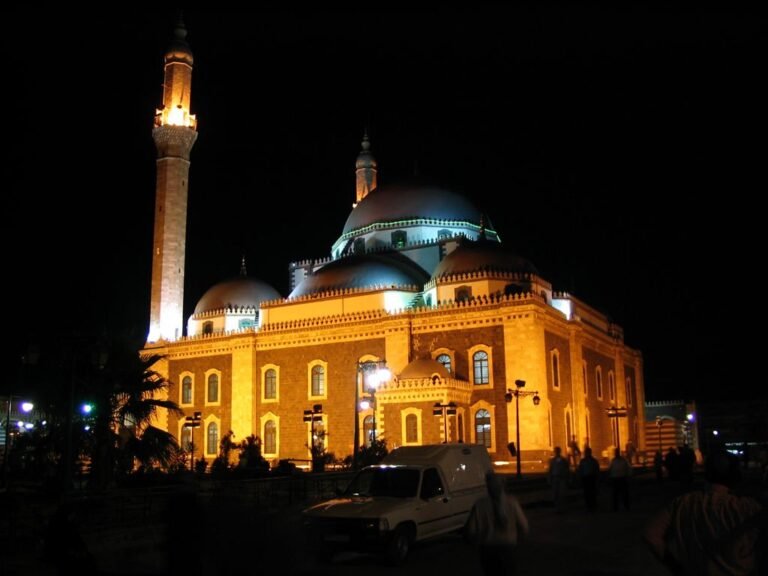
جامع خالد بن الوليد
هو مسجد وجامع تاريخي يقع في مدينة حمص في سوريا، ويقع في منطقة الخالدية في الجهة الشمالية الشرقية من مدينة حمص الواقعة على نهر العاصي.
تاريخ الجامع:
البناء الأصلي: يعود تاريخ بناء الجامع إلى القرن السابع الهجري (القرن 13 ميلادي).
البناء الحالي: تم إعادة بناؤه في العهد العثماني في القرن 19 الميلادي أيام السلطان عبد الحميد الثاني.
المواصفات:
الموقع: يقع في منطقة الخالدية في حمص.
الطراز المعماري: يتميز الجامع ببناء على الطراز العثماني المتصف بالتناوب بين اللونين الأبيض والأسود في حجارته، ممزوجًا بطراز سوري جميل.
عدد القباب: يحتوي الجامع على تسعة قباب، وأعلاها القبة الوسطى.
الأهمية:
الصحابي خالد بن الوليد: يُعتقد أن خالد بن الوليد مدفون في الجامع، ويُعتبر رمزًا دينيًا وتاريخيًا هامًا لمدينة حمص.
الزوار: يُعد الجامع من أهم الوجهات السياحية في حمص، ويستقطب العديد من السياح والمسلمين
Khalid ibn al-Walid Mosque
Khalid ibn al-Walid Mosque is a historic mosque located in the city of Homs, Syria. It is situated in the Al-Khalidiya area in the northeastern part of Homs, which is located on the Orontes River.
History of the Mosque:
Original Construction: The construction of the mosque dates back to the 7th century AH (13th century AD).
Current Structure: It was rebuilt during the Ottoman era in the 19th century AD, during the reign of Sultan Abdul Hamid II.
Specifications:
Location: It is located in the Al-Khalidiya area in Homs.
Architectural Style: The mosque is characterized by Ottoman-style architecture with alternating white and black stones, blended with beautiful Syrian style.
Number of Domes: The mosque has nine domes, with the highest being the central dome.
Significance:
Companion Khalid ibn al-Walid: It is believed that Khalid ibn al-Walid is buried in the mosque, and it is considered an important religious and historical symbol for the city of Homs.
Visitors: The mosque is one of the most important visitor attractions in Homs, attracting many tourists and Muslims who come to visit the tomb of the esteemed companion.
يقع الجامع في وسط مدينة حمص، بالقرب من منطقة تُعرف باسم “حي الخالدية”، وهو حي تاريخي يُعتبر من أقدم أحياء المدينة.
العمارة والتصميم:
التصميم العام: يتميز الجامع بتصميم معماري إسلامي تقليدي، حيث يضم قبة كبيرة ومئذنتين بارزتين. القبة الرئيسية تُعتبر من أبرز سمات الجامع، وهي مزينة بزخارف إسلامية جميلة.
المئذنتان: المئذنتان ذات طراز عثماني، وهما من السمات البارزة في الجامع، حيث يمكن رؤيتهما من مسافات بعيدة.
الفناء الداخلي: يحتوي الجامع على فناء داخلي واسع، يُحيط به أروقة ذات أعمدة وأقواس مزينة بزخارف إسلامية.
قبر خالد بن الوليد: داخل الجامع يوجد ضريح خالد بن الوليد، وهو مكان مقدس يُزار من قبل المسلمين من مختلف أنحاء العالم. الضريح مزين بزخارف إسلامية ويُعتبر من الأماكن الروحية المهمة في سوريا.
الأهمية الدينية والتاريخية:
يُعتبر الجامع رمزًا تاريخيًا ودينيًا مهمًا في سوريا، حيث يجمع بين العمارة الإسلامية الفريدة والتاريخ الإسلامي العريق.
يُعد الجامع مركزًا للعبادة والتعليم الديني، حيث تُقام فيه الصلوات الخمس وصلاة الجمعة، بالإضافة إلى دروس العلم والخطب الدينية.
الأحداث التاريخية:
تعرض الجامع لأضرار خلال الأحداث التي شهدتها سوريا في السنوات الأخيرة، خاصة خلال الحرب الأهلية السورية، حيث تعرض للقصف والتدمير الجزئي. ومع ذلك، تمت إعادة ترميمه جزئيًا بعد انتهاء المعارك في المنطقة.
الترميم والصيانة:
خضع الجامع لعدة عمليات ترميم على مر التاريخ، خاصة في العهد العثماني وفي القرن العشرين. بعد الأضرار التي لحقت به خلال الحرب الأهلية السورية، بدأت جهود لإعادة ترميمه وإعادته إلى سابق عهده.
الزيارة:
يُعتبر الجامع مقصدًا للزوار من داخل سوريا وخارجها، سواء لأداء الصلاة أو لزيارة ضريح خالد بن الوليد. كما يُعتبر موقعًا سياحيًا مهمًا في حمص.
باختصار، جامع خالد بن الوليد في حمص هو تحفة معمارية إسلامية تجمع بين التاريخ والدين، ويُعتبر رمزًا للتراث الإسلامي في سوريا.
Khalid ibn al-Walid Mosque
Khalid ibn al-Walid Mosque is one of the most prominent Islamic landmarks in the city of Homs, Syria, and is considered one of the most important historical mosques in the country. Here is a detailed and comprehensive description of this mosque:
History and Naming:
Naming: The mosque is named after the esteemed companion Khalid ibn al-Walid, who is nicknamed “The Sword of Allah”. He is one of the most famous military leaders in Islamic history. Khalid ibn al-Walid died in Homs and was buried there, giving the city a special significance among Muslims.
History: The mosque was built in the 7th century AH (13th century AD) on the ruins of an older mosque that existed on the same site. It has undergone several renovations and restorations over the centuries, especially during the Ottoman period.
Location:
The mosque is located in the center of Homs, near an area known as “Al-Khalidiya District,” which is a historic neighborhood considered one of the oldest in the city.
Architecture and Design:
General Design: The mosque features traditional Islamic architectural design, including a large dome and two prominent minarets. The main dome is one of the mosque’s most notable features, adorned with beautiful Islamic decorations.
Minarets: The two minarets are of Ottoman style and are prominent features of the mosque, visible from long distances.
Inner Courtyard: The mosque has a spacious inner courtyard, surrounded by arcades with columns and arches decorated with Islamic motifs.
Tomb of Khalid ibn al-Walid: Inside the mosque is the shrine of Khalid ibn al-Walid, a sacred place visited by Muslims from around the world. The shrine is decorated with Islamic ornaments and is considered a significant spiritual site in Syria.
Religious and Historical Significance:
The mosque is a significant historical and religious symbol in Syria, combining unique Islamic architecture with rich Islamic history.
The mosque serves as a center for worship and religious education, where the five daily prayers, Friday prayer, religious lessons, and sermons are held.
Historical Events:
The mosque suffered damage during the recent events in Syria, especially during the Syrian civil war, where it was subjected to shelling and partial destruction. However, it has been partially restored after the end of the fighting in the area.
Restoration and Maintenance:
The mosque has undergone several restoration efforts throughout history, particularly during the Ottoman era and the 20th century. After the damage it sustained during the Syrian civil war, efforts have begun to restore it to its former glory.
Visitation:
The mosque is a destination for visitors from within Syria and abroad, whether to perform prayers or visit the tomb of Khalid ibn al-Walid. It is also considered an important tourist site in Homs.
In summary, the Khalid ibn al-Walid Mosque in Homs is an Islamic architectural masterpiece that combines history and religion, and is considered a symbol of Islamic heritage in Syria.
خلال الثورة السورية التي بدأت في عام 2011، تعرض جامع خالد بن الوليد في حمص لأضرار جسيمة نتيجة القصف والاشتباكات التي دارت في المدينة، وخاصة في منطقة الخالدية حيث يقع الجامع. كانت حمص واحدة من أكثر المدن تأثرًا بالصراع، حيث شهدت معارك عنيفة بين قوات النظام السوري والمعارضة المسلحة.
ما حدث للجامع أثناء الثورة السورية:
القصف والتدمير:
تعرض الجامع لقصف عنيف من قبل قوات النظام السوري، حيث استُخدمت المدفعية والقذائف والصواريخ في الهجمات على المنطقة. أدى هذا القصف إلى تدمير أجزاء كبيرة من الجامع، بما في ذلك القبة الرئيسية والمئذنتين.
في عام 2013، تعرض الجامع لأضرار بالغة بعد قصف عنيف أدى إلى انهيار أجزاء من المبنى، بما في ذلك القبة والمئذنتين اللتين كانتا من أبرز معالمه.
الاشتباكات في المنطقة:
كانت منطقة الخالدية، حيث يقع الجامع، واحدة من أهم معاقل المعارضة المسلحة في حمص. دارت فيها معارك شرسة بين قوات النظام والمعارضة، مما أدى إلى تدمير العديد من المباني التاريخية والمنازل المحيطة بالجامع.
تحول الجامع إلى ساحة قتال في بعض الأحيان، مما زاد من الأضرار التي لحقت به.
تدمير الضريح:
تعرض ضريح خالد بن الوليد داخل الجامع لأضرار كبيرة، حيث تم تدمير أجزاء منه نتيجة القصف والاشتباكات. كان الضريح يُعتبر مكانًا مقدسًا ورمزًا دينيًا مهمًا، مما جعل تدميره صدمة كبيرة للمجتمع الإسلامي.
السيطرة على المنطقة:
في مايو 2014، سيطرت قوات النظام السوري بالكامل على منطقة الخالدية بعد حصار طويل ومعارك عنيفة. بعد السيطرة، تم اكتشاف حجم الدمار الكبير الذي لحق بالجامع والمباني المحيطة به.
ردود الفعل على تدمير الجامع:
أثار تدمير الجامع استنكارًا واسعًا على المستوى المحلي والدولي، حيث تم اعتباره جزءًا من التراث الإسلامي والتاريخي السوري.
اتهمت المعارضة السورية قوات النظام بتعمد تدمير المعالم التاريخية والدينية كجزء من سياسة العقاب الجماعي ضد المناطق التي تسيطر عليها المعارضة.
من جهة أخرى، اتهم النظام السوري الجماعات المسلحة باستخدام الجامع كموقع عسكري، مما أدى إلى استهدافه.
ما بعد التدمير:
بعد انتهاء المعارك في المنطقة، بدأت جهود لإعادة ترميم الجامع، لكن العملية كانت بطيئة بسبب الأوضاع الاقتصادية والسياسية الصعبة في سوريا.
تم ترميم بعض أجزاء الجامع، لكنه لم يستعد كامل رونقه السابق بسبب حجم الدمار الكبير الذي تعرض له.
الرمزية:
يُعتبر تدمير جامع خالد بن الوليد أحد الأمثلة الصارخة على الدمار الذي لحق بالتراث السوري خلال الحرب الأهلية. الجامع كان ليس فقط مكانًا للعبادة، بل أيضًا رمزًا تاريخيًا ودينيًا يجسد تاريخ حمص والإسلام في سوريا.
باختصار، تعرض جامع خالد بن الوليد لتدمير كبير خلال الثورة السورية، خاصة بسبب القصف العنيف من قبل قوات النظام والمعارك التي دارت في المنطقة. كان تدميره خسارة كبيرة للتراث السوري والإسلامي.
محاولات إيران لترميم جامع خالد بن الوليد في حمص تعتبر جزءاً من جهودها لتعزيز النفوذ الإيراني في سوريا وتغيير الديموغرافية الدينية في المناطق التي تسيطر عليها. تم ترميم الجامع بشكل كبير في الفترة الأخيرة، ولكن هناك انتقادات بأن هذه الترميمات تعتبر تشويهاً للتاريخ والروحانية الأصلية للجامع.
بالنسبة لتغيير ديموغرافية المناطق الدينية، فإن إيران تسعى إلى تعزيز السكان الشيعة في المناطق التي تسيطر عليها، مما يعكس جهودها لتعزيز النفوذ الإيراني والتأثير الديني في المنطقة.
During the Syrian revolution that began in 2011, the Khalid ibn al-Walid Mosque in Homs suffered significant damage due to shelling and clashes in the city, especially in the Al-Khalidiya area where the mosque is located. Homs was one of the cities most affected by the conflict, witnessing intense battles between Syrian regime forces and armed opposition.
What happened to the mosque during the Syrian revolution:
Shelling and destruction:
The mosque was subjected to heavy shelling by Syrian regime forces, using artillery, shells, and rockets in the attacks on the area. This shelling led to the destruction of large parts of the mosque, including the main dome and the two minarets.
In 2013, the mosque sustained severe damage after heavy shelling led to the collapse of parts of the building, including the dome and the minarets, which were among its most prominent features.
Clashes in the area:
The Al-Khalidiya area, where the mosque is located, was one of the main strongholds of armed opposition in Homs. Intense battles took place between regime forces and the opposition, leading to the destruction of many historical buildings and homes surrounding the mosque.
The mosque sometimes turned into a battlefield, increasing the damage it sustained.
Destruction of the shrine:
The shrine of Khalid ibn al-Walid inside the mosque suffered significant damage, with parts of it destroyed due to shelling and clashes. The shrine was considered a sacred place and an important religious symbol, making its destruction a major shock to the Islamic community.
Control of the area:
In May 2014, Syrian regime forces fully took control of the Al-Khalidiya area after a long siege and intense battles. After gaining control, the extent of the large-scale destruction of the mosque and surrounding buildings was revealed.
Reactions to the destruction of the mosque:
The destruction of the mosque sparked widespread condemnation both locally and internationally, as it was considered part of Syria’s Islamic and historical heritage.
The Syrian opposition accused regime forces of deliberately destroying historical and religious landmarks as part of a collective punishment policy against opposition-held areas.
On the other hand, the Syrian regime accused armed groups of using the mosque as a military site, leading to its targeting.
Post-destruction:
After the end of the fighting in the area, efforts began to restore the mosque, but the process was slow due to the difficult economic and political conditions in Syria.
Some parts of the mosque were restored, but it did not fully regain its previous splendor due to the extensive damage it had sustained.
Symbolism:
The destruction of the Khalid ibn al-Walid Mosque is one of the stark examples of the destruction of Syrian heritage during the civil war. The mosque was not only a place of worship but also a historical and religious symbol embodying the history of Homs and Islam in Syria.
In summary, the Khalid ibn al-Walid Mosque suffered significant destruction during the Syrian revolution, especially due to heavy shelling by regime forces and the battles that took place in the area. Its destruction was a significant loss to Syrian and Islamic heritage.
**Iran’s attempts to restore the Khalid ibn al-Walid Mosque in Homs are part of its efforts to enhance Iranian influence in Syria and change the religious demographics in the areas it controls. The mosque has been significantly restored recently, but there are criticisms that these restorations are considered distortions of the mosque’s original history and spirituality.
Regarding the changing religious demographics of the areas, Iran seeks to bolster the Shia population in the areas it controls, reflecting its efforts to enhance Iranian influence and religious impact in the region.**